


Concrete floor plastic is one of the essential materials that helps protect concrete floors from damage—whether in new construction or repairing existing floors. Using concrete floor plastic reduces issues like scratches, stains, leaks, and damage from water and chemicals. Additionally, it extends the lifespan of concrete floors, thereby reducing long-term maintenance costs. In this article, we’ll explain its features, types, selection criteria, and usage techniques so you can use concrete floor plastic properly and cost-effectively.
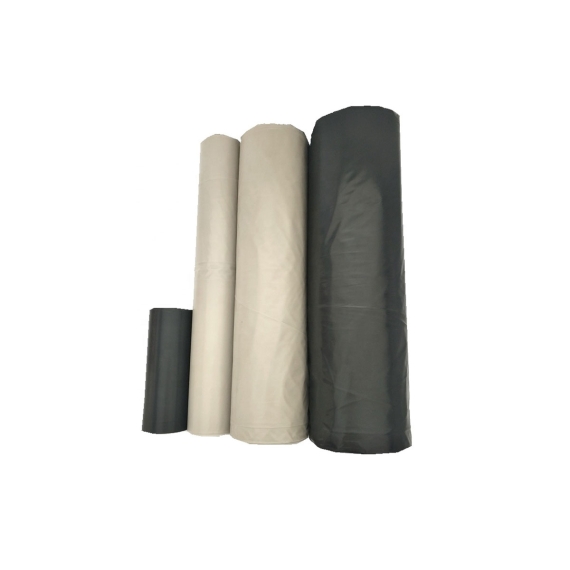
Installing concrete without protection can cause various issues, such as scratches from construction tools, dust, or moisture seeping into the concrete. Using concrete floor plastic offers several advantages:
- Prevent scratches and impact damage — the plastic helps distribute impact and protects the surface.
- Reduce water and chemical penetration — high-quality plastic can resist water and certain chemicals, preserving the concrete.
- Maintain cleanliness — prevents dust, cement residue, and debris from adhering to the surface.
- Extend durability — protecting the concrete early reduces future repair needs.
Concrete floor plastic comes in several types depending on usage and environmental conditions:
PE Plastic (Polyethylene):
PVC Plastic (Polyvinyl Chloride):
Heavy‑Duty Plastic:
Selection should consider factors such as area size, load-bearing requirements, chemical exposure, and budget.
Applying concrete floor plastic correctly enhances its protective performance.
Lay the plastic smoothly
Prevent wrinkles or air bubbles that can damage the concrete.
Overlap sheets adequately
Overlap joints and corners by at least 10–15 cm to prevent water or dust ingress.
Use tape or fasteners for stability
Prevent sheets from shifting or folding during use.
Clean the surface before laying
Cleaning the floor beforehand reduces dust and debris that can cause scratches.
Concrete floor plastic can be reused if properly cared for.
- Clean after use using clean water or a mild detergent.
- Store in a dry, cool place to prevent degradation from sunlight.
- Inspect for damage — if torn, repair or replace the sheet to ensure full protection.
Concrete floor plastic is versatile and can be used in various scenarios:
- Residential and commercial construction — protects against scratches from tools.
- Industrial factories — protects floors from chemicals and machinery impact.
- Parking lots or warehouses — reduces abrasion from vehicles.
- Repair and restoration work — protects repaired surfaces from dust and scratching.
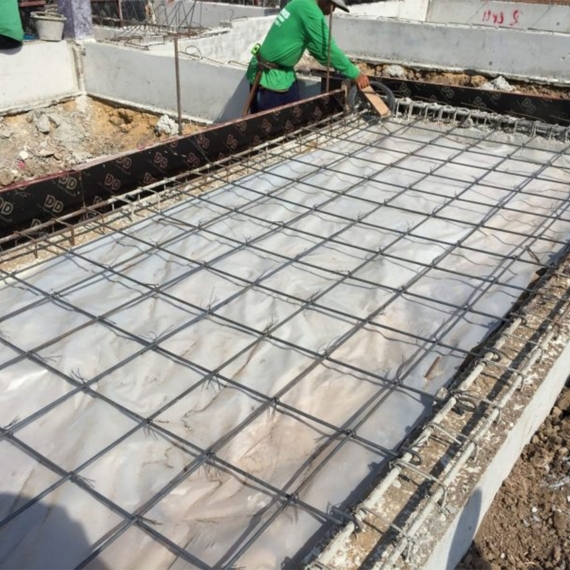
For concrete floor plastic to perform optimally, be sure to observe the following precautions:
- Choose the appropriate thickness and type of plastic based on area and weight requirements.
- Avoid laying plastic directly on wet surfaces — this can lead to slipperiness or staining on the concrete.
- Ensure no debris or sharp objects are underneath the sheet.
- Reduces repair costs for concrete floors.
- Extends the lifespan of the floor by several years.
- Enhances safety and reduces damage from slipping or water leaks.
